
Start mid-thought: web wallets used to feel like a promise, not a product. Wow! They were clunky. But lately somethin’ changed. User flows smoothed out, onboarding improved, and—crucially—developers stopped assuming every user had a browser extension already installed. This matters because Solana’s speed and low fees only shine when wallets are frictionless and accessible to anyone on the web, not just power users.
Whoa! I remember the first time I tried connecting to a Solana dApp without an extension. It was messy. I clicked “Connect” and then… nothing. My instinct said this would be another dead end, and for a minute I thought we were still years away. Initially I thought web wallets would always be inferior to extensions, but then I started playing with newer implementations and realized they can be just as secure and way more convenient for newcomers. Actually, wait—let me rephrase that: they can be comparably secure when built with the right UX and security primitives, though there are trade-offs to accept.
Here’s the thing. A good web wallet solves two big problems at once: onboarding and context. Onboarding because a link or QR code gets someone into a dApp much faster than wrenching through browser extensions. Context because the wallet can present permissions and transaction previews inline, where the user is already focused. Seriously? Yes. And that reduces cognitive load for first-time users.
So what changed technically? Short answer: better key management patterns and a cleaner separation between UI and signing. Medium answer: web wallets are using secure enclaves when available, transient session keys, and improved hardware-wallet integrations through well-defined WebCrypto and cross-platform bridges. Long answer: engineers are leaning on ephemeral keys for browsing sessions, strict origin checks, message signing flows that show exact command intent, and fallback flows that nudge users toward hardware or mobile verification when things get risky, which altogether raises the baseline for safety while keeping the setup painless.
Okay, so check this out—I’ve been using a web wallet in a few test environments and the biggest benefit was letting users jump straight into demos or NFTs without installing anything. (oh, and by the way… demos convert people, every single time.) The experience matters more than the novelty of “extension installed.” People judge the whole dApp by the first five minutes. If signing is confusing, they’ll bail.
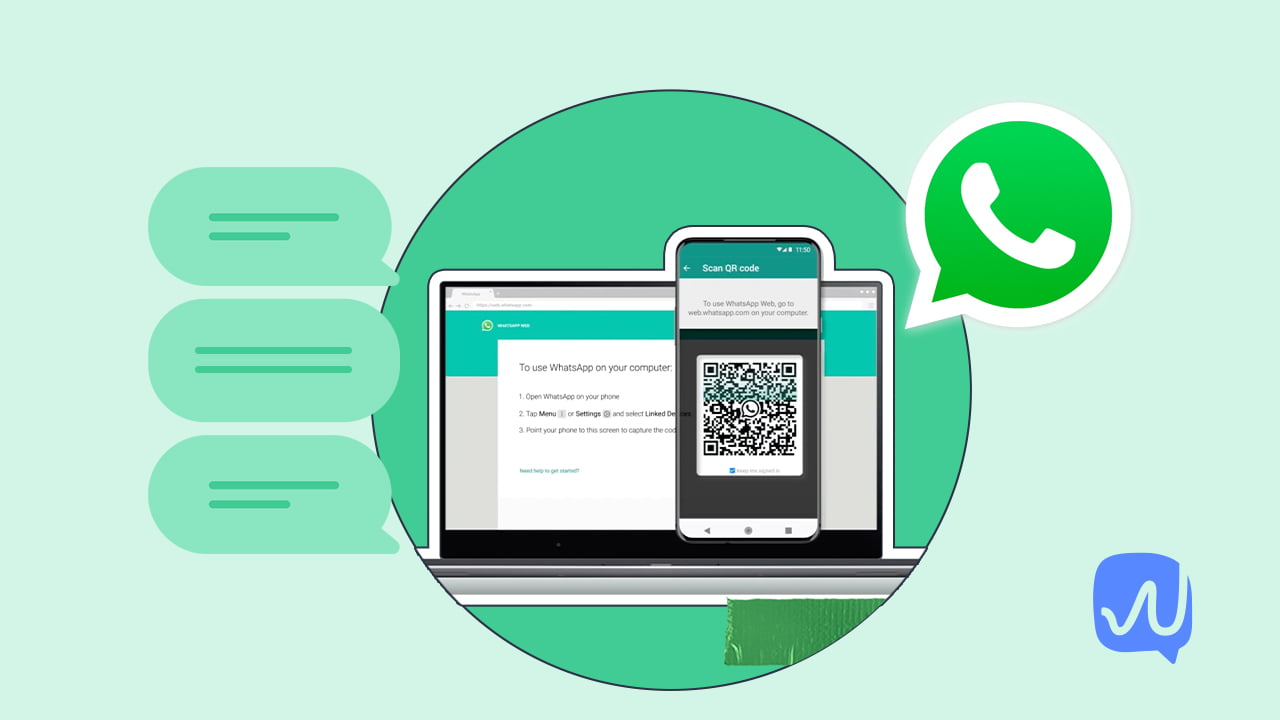
How phantom web fits into the Solana dApp ecosystem
For hands-on folks who want to try one, I recommend checking the web build of Phantom—search for phantom web—it’s a tidy example of how a polished web wallet approaches permissioning and UX. My bias is obvious: I like wallets that make onboarding feel thoughtful, not frantic. But even I’m cautious; there are design trade-offs that matter.
Short note: trust is the currency here. If a wallet obfuscates the transaction details or bundles permissions, users will get burned. On one hand, you want to remove friction for new users. On the other hand, you must be explicit about signing intent and what the dApp can do. Balancing those requires product-level humility and a few strict safeguards—limits on auto-approve, human-readable intent strings, and fallback confirmations.
Hmm… I have to say this part bugs me: too many projects skip the “verify the transaction” step because it’s inconvenient. That works until it doesn’t. So the better web wallet UX makes verification awkwardly obvious in a good way. It asks a simple question and waits for an explicit consent. That pause alone prevents a lot of social-engineering hacks.
Developer affordances matter too. dApp teams should detect whether the user is on a web wallet or an extension and then adapt the UI. Show small banners that explain session lifetimes, or offer a tutorial overlay for signing. These micro-copy choices move conversion metrics. I’ve seen signup flows double when the wallet explains “This session lasts 30 minutes” versus vague “connected” states.
Security checklist—brief. Use origin-bound keys when possible. Require a second factor for large-value transactions. Offer an easy hardware-wallet pairing flow. Avoid storing long-term mnemonic phrases in the browser’s local storage. Those are not optional suggestions; they’re baselines. Also, logging and telemetry should be thoughtful—privacy matters, especially in the US where people are sensitive to trackers.
On performance: Solana is fast, but UX can slow people down. A web wallet needs to show transaction status clearly, retry strategies when nodes lag, and offer transparent fee estimates. Users hate cryptic “pending” messages. They love a clear progress bar. Small things, but very very important.
Now for some practical notes for dApp builders. First, detect and guide. If a web wallet is present, surface a compact signing flow optimized for single-click approvals of benign actions, but require explicit review on complex moves. Second, instrument for recovery. Let users export or connect a hardware key, and present recovery options before the first significant transaction. Third, simulate flows. Add a “Preview transaction” modal that maps Solana instructions to plain-English actions. It helps conversions and reduces support load.
There’s a cultural angle too. Solana’s ecosystem loves speed. That makes people impatient and prone to skipping instructions. As a result, wallet UX should anticipate mistakes and be forgiving: show undo windows where possible, or at least show clear receipts with transaction links. I’m not saying we should baby users forever, but a little friction at the right moment prevents large headaches later.
On mobile: web wallets pair nicely with mobile wallets via QR or deep links, and PWA approaches are getting better. Some users prefer a pure web experience, others want the security of a native app. The best solutions give a seamless handoff: scan, approve on your device, and continue in the browser. That hybrid flow is powerful because it preserves convenience without sacrificing verification.
Honestly, this is the part that gave me an “aha” moment. When a web wallet treats the browser as the session manager and the phone or hardware device as the signing authority, you get both conversion and safety. It’s not perfect. It introduces UX complexity, and sometimes the handoff fails—network hiccups, mis-scanned QR codes, or browser privacy settings. But when it works, it’s slick.
Common questions
Is a web wallet safe enough for holding assets?
Short answer: cautious yes. Long answer: treat web wallets like a flexible wallet tier—great for everyday interactions and small NFTs, but for large holdings use hardware storage or a trusted custodial solution. On one hand, web wallets can implement ephemeral sessions and origin-bound keys which reduce risk. On the other hand, browsers are exposed environments. So split your assets by risk profile, enable optional hardware signing for high-value transactions, and always verify the transaction details before approving. I’m not 100% sure there will ever be a single answer that fits everyone, but that approach covers most bases.